Production

With the New Millennium, the materials used in the production of bodyparts have changed, going from metals to plastics.

FREECARS, too, introduced into its production many components in mixed plastics, by adopting advanced production processes and ensuring the complete equivalence of products with the original.According different material,we have different professional  produce machine.

SMC ( Sheet Moulding Compound) – UP GF 30

ABS (Acrylonitrile-Butadiene-Styrene)

PC (Polycarbonate)

PA (Polyamide – Nylon)

PMMA (Polymetyl Methacrylate)

PP (Polypropylene)

PU (Polyurethane)

POM (Polyoxymethylene)

UP (Unsaturated polyester- SMC)

PVC (Polyvinyl Chloride)

ASA (Acrylonitrile-Styrene-Acrylate Terpolymer), *

PBT (Polybutylene Terephthalate).

Metal (Steel, Aluminium……)

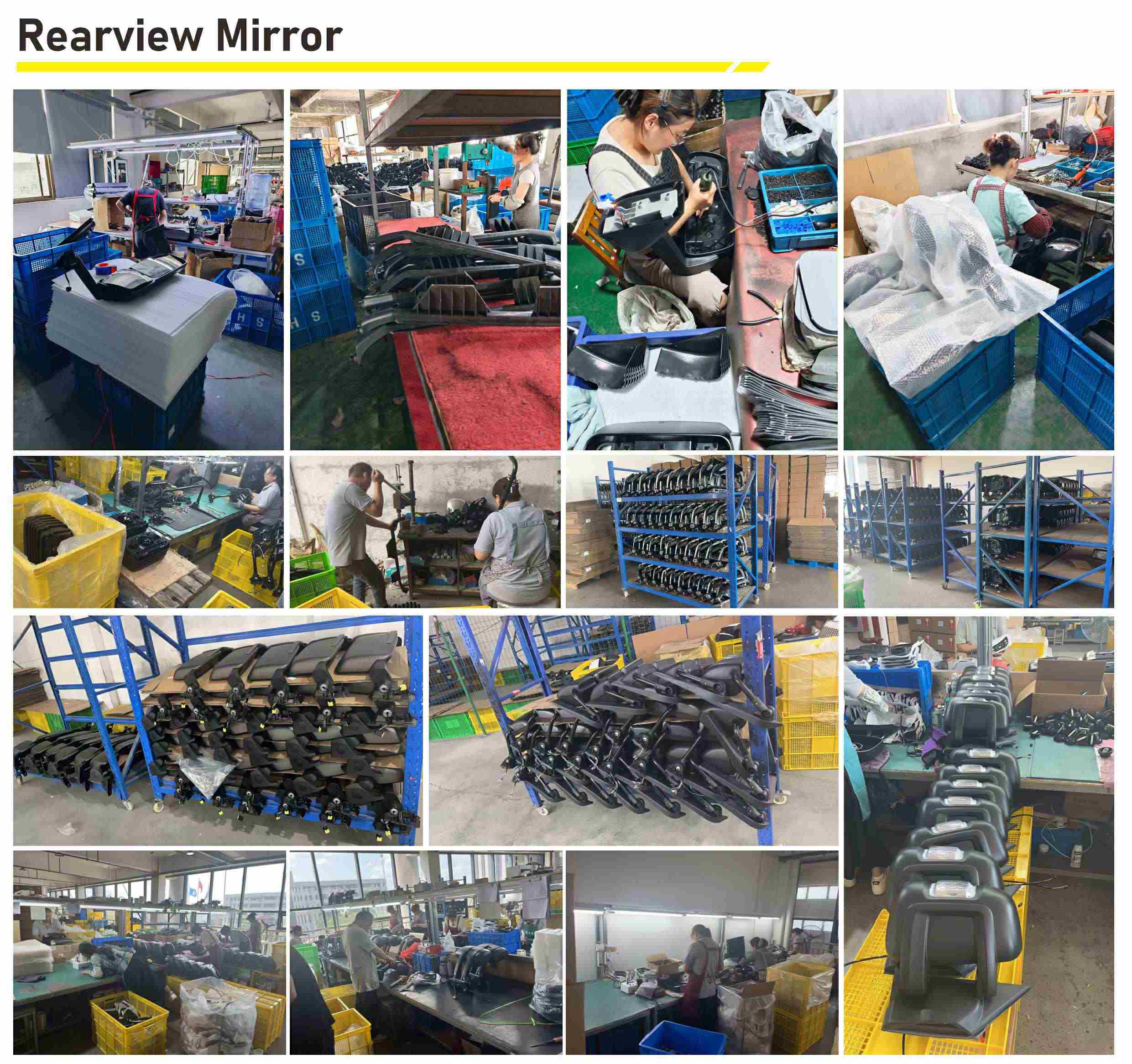
Automobile Rearview Mirror Production

1.Raw material preparation

Prepare raw materials: plastic pellets for housing, glass blank for mirror, metal brackets, adhesive and sealing rubber.

2.Injection molding of mirror housing

Inject molten plastic into mould, cool and demould to form the rearview mirror shell, then trim burrs.

3.Mirror glass processing

Cut glass to required size, grind edges, clean the surface, then coat reflective layer on glass back.

4.Coating & surface treatment

Spray paint on plastic housing for color and anti-corrosion treatment.

5.Component assembly

Install reflective glass, adjusting motor, bracket and wire harness into the housing, use adhesive to fix parts.

6.Performance testing

Carry out tests for reflection effect, angle adjustment, vibration resistance and waterproof property.

7.Cleaning & packaging

Clean finished products, paste protective film, then pack for delivery.


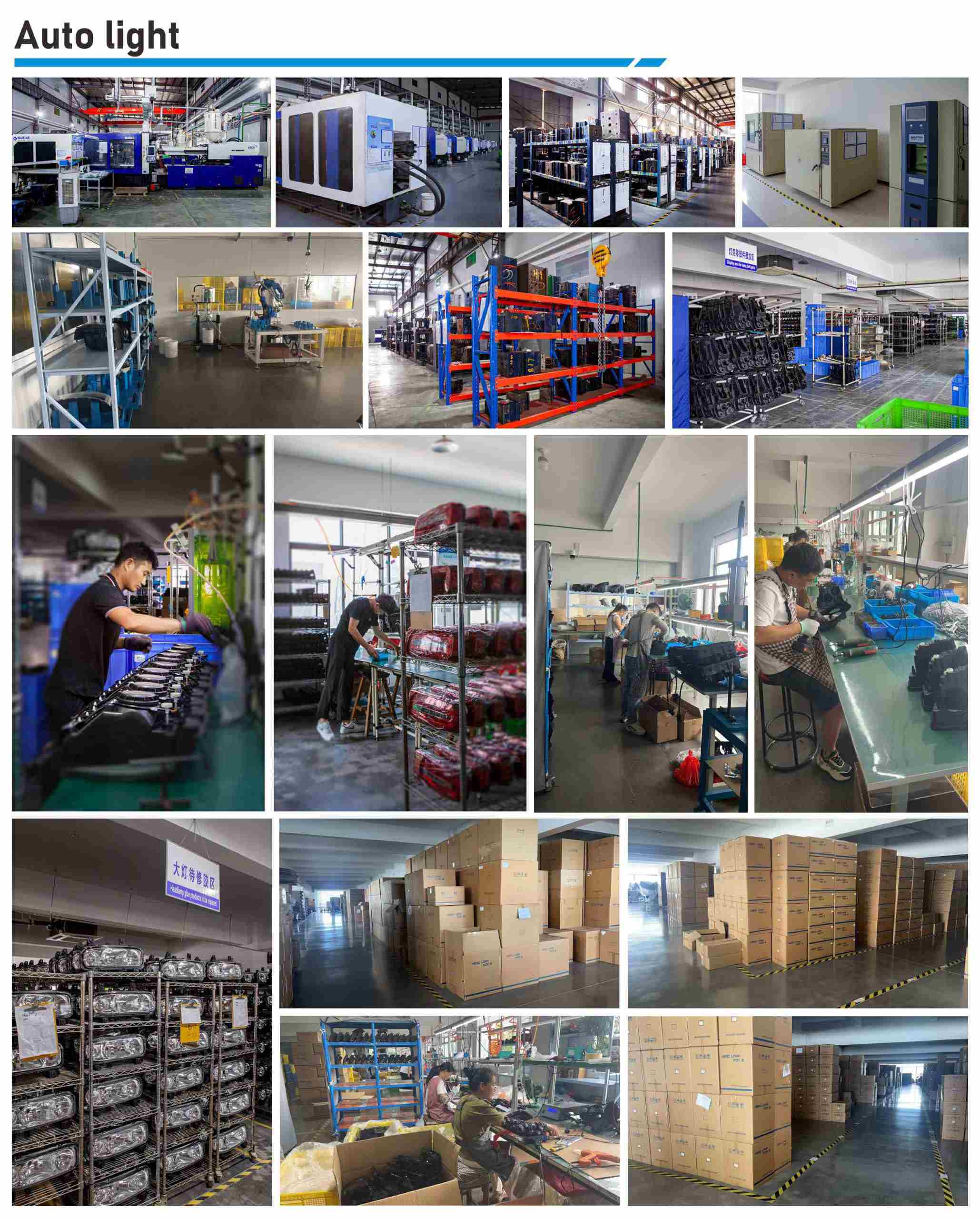
Automotive Lighting Production

1.Raw material preparation

Prepare PC plastic pellets for lens, ABS plastic for lamp housing, aluminum for reflectors, LED chips, PCB boards and sealants.

2.Injection molding

Melt plastics and inject into precision molds. Cool and demould to get lamp housing and lens, then trim burrs.

3.Reflector metallization

Vacuum aluminum plating on the reflector surface to form a high-reflection layer.

4.Component pre-assembly

Mount LED chips, PCB, wiring harness and reflector modules into the lamp housing.

5.Sealing assembly

Combine lens and housing by gluing or hot plate welding to form an airtight lamp cavity.

6.Performance & reliability testing

Carry out light distribution test, power-on aging test, waterproof, dustproof and vibration tests.

7.Cleaning and packaging

Clean qualified headlights, attach protective films and pack for delivery.

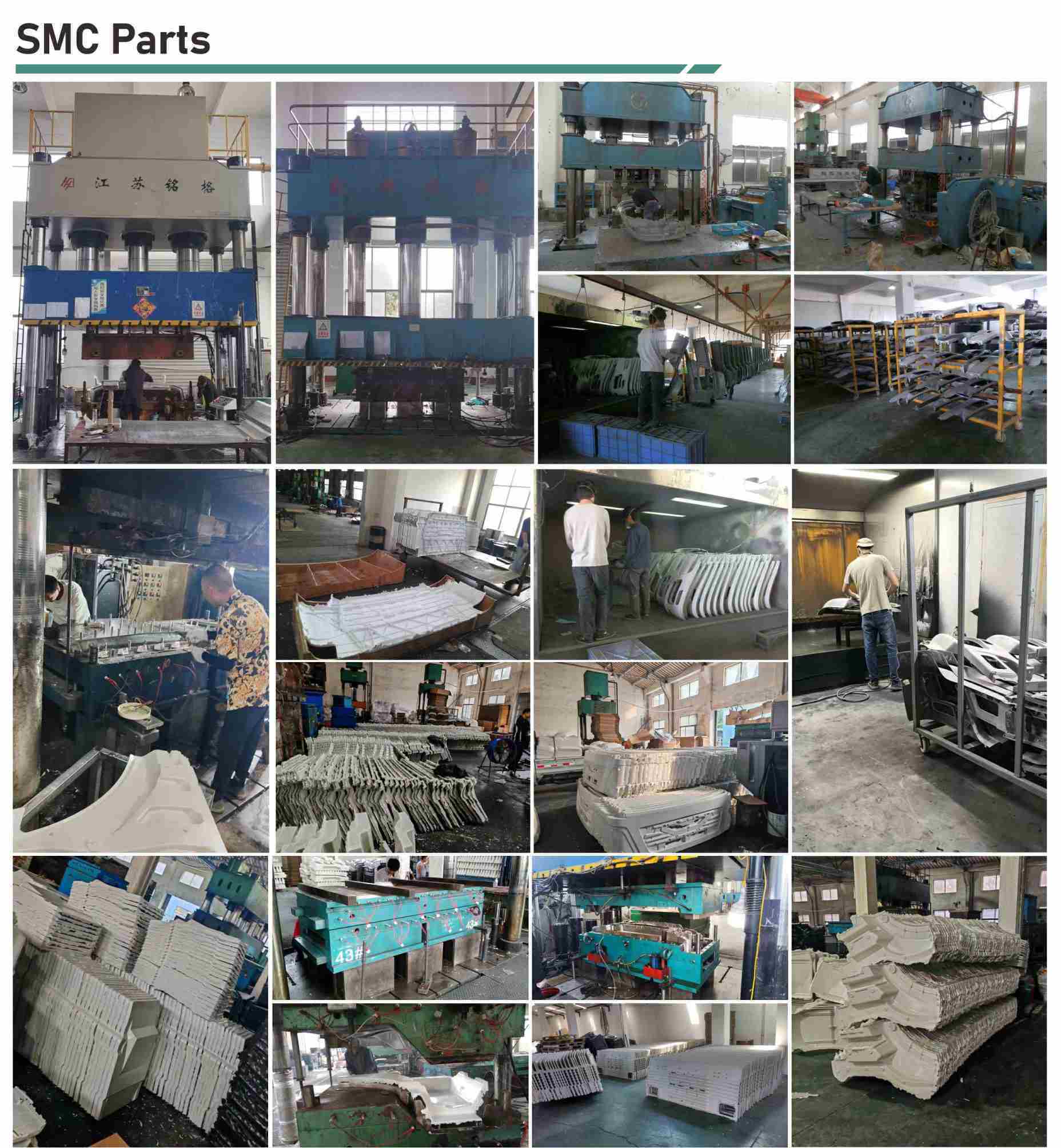
SMC Exterior Parts Production

1.SMC material preparation

Cut SMC sheet (glass fiber reinforced thermoset resin) into required blanks and peel off carrier films.

2.Mold preparation

Clean the metal mold and apply release agent, then preheat the mold.

3.Compression molding

Place SMC blanks into the heated mold. Close the press and apply heat & pressure. The material flows and cures to form the part.

4.Demolding & trimming

Open the mold, eject the cured part. Cut off flash and excess edges.

5.Surface treatment & painting

Sand and clean the surface, then spray primer and topcoat to get Class A finish.

6.Inspection and packaging

Check dimension, appearance and defects. Pack qualified truck exterior parts.

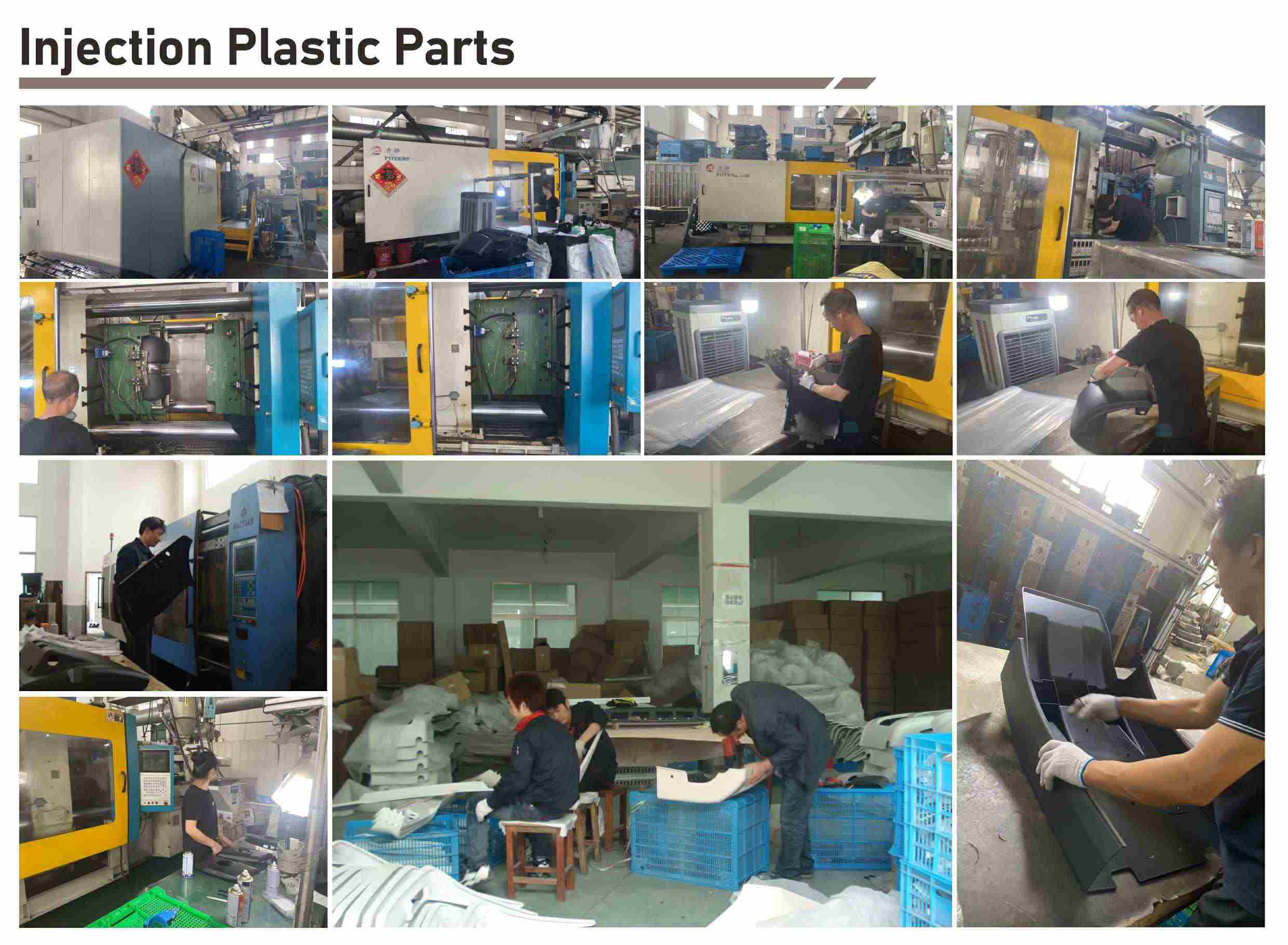
Plastic Exterior Parts Production

1.Raw material preparation

Dry plastic pellets and add color masterbatch as required.

2.Mold setup

Install and preheat the injection mold on the machine.

3.Injection molding

Melt plastics, inject the melt into the closed mold cavity, cool and solidify.

4.Demoulding & trimming

Eject the part, remove sprues, runners and burrs.

5.Surface treatment (optional)

Sand, spray paint or apply texture for appearance.

6.Inspection

Check dimensions, appearance and defects.

7.Packing

Pack qualified truck plastic parts for delivery.

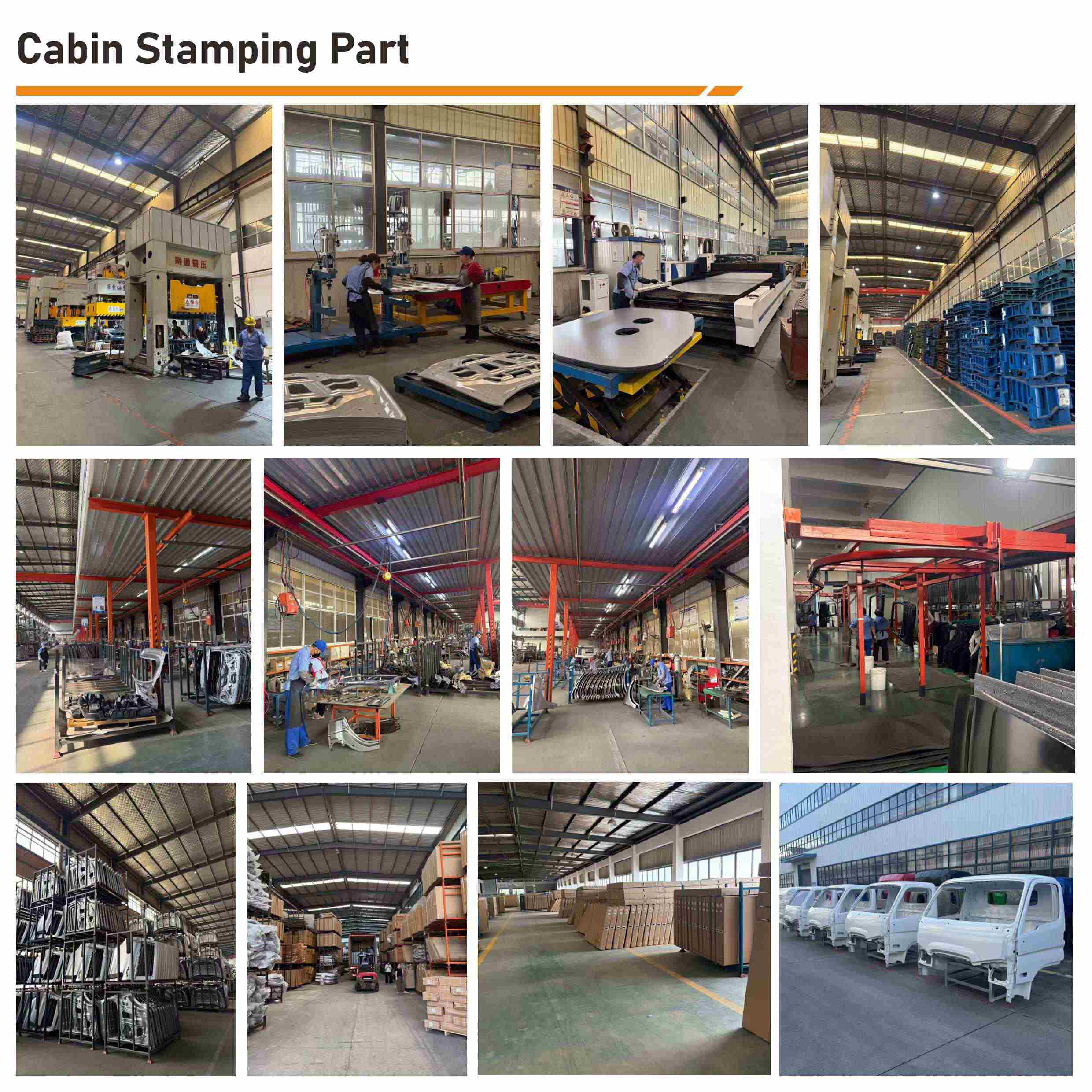
Sheet Metal Exterior Parts Production

1.Raw material preparation

Prepare steel/aluminum sheets and cut them into blanks.

2.Stamping

Use stamping dies to form the blank into required shape.

3.Trimming & piercing

Cut excess edges and punch mounting holes.

4.Flanging & reshaping

Bend edges and calibrate part geometry.

5.Surface treatment

Clean, degrease and apply electrophoretic coating.

6.Painting

Spray primer, topcoat for corrosion resistance and appearance.

7.Inspection & packaging

Check dimension and surface quality, then pack finished parts.

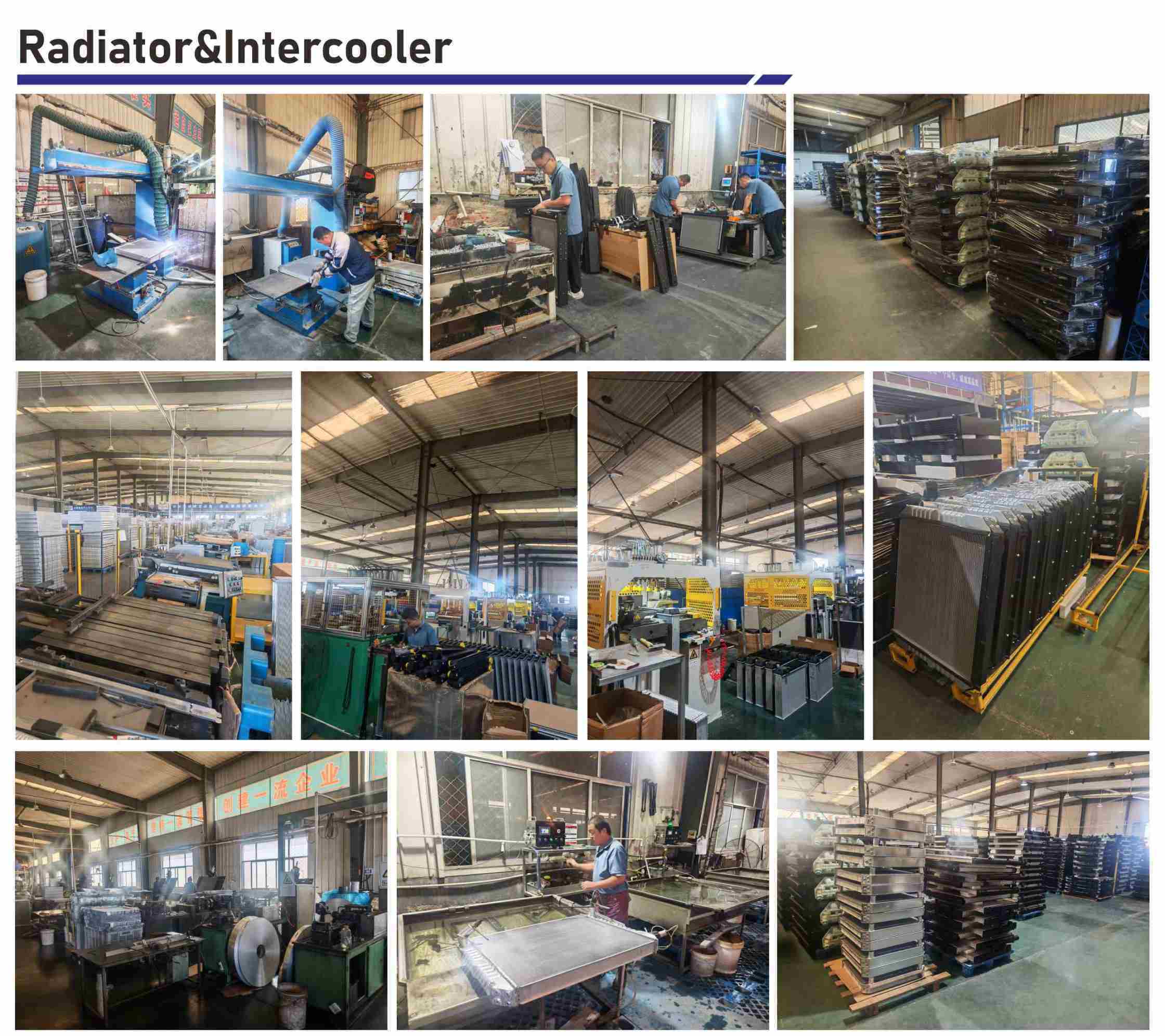
Radiator & Intercooler Production

1.Raw material preparation

Prepare aluminum foils, tubes, headers and side plates.

2.Fin & tube fabrication

Form cooling fins and cut aluminum tubes to length.

3.Core assembly

Stack tubes, fins and baffles to build the heat exchanger core.

4.Brazing

Put the core into furnace for vacuum brazing to join all components.

5.Tank assembly

Mount plastic or aluminum tanks onto the core and seal joints.

6.Leakage & performance test

Conduct air tightness test and heat exchange performance inspection.

7.Cleaning and packaging

Clean qualified products and pack for shipment.

DO YOU NEED MORE INFORMATION?

CONTACT US

COMMENT